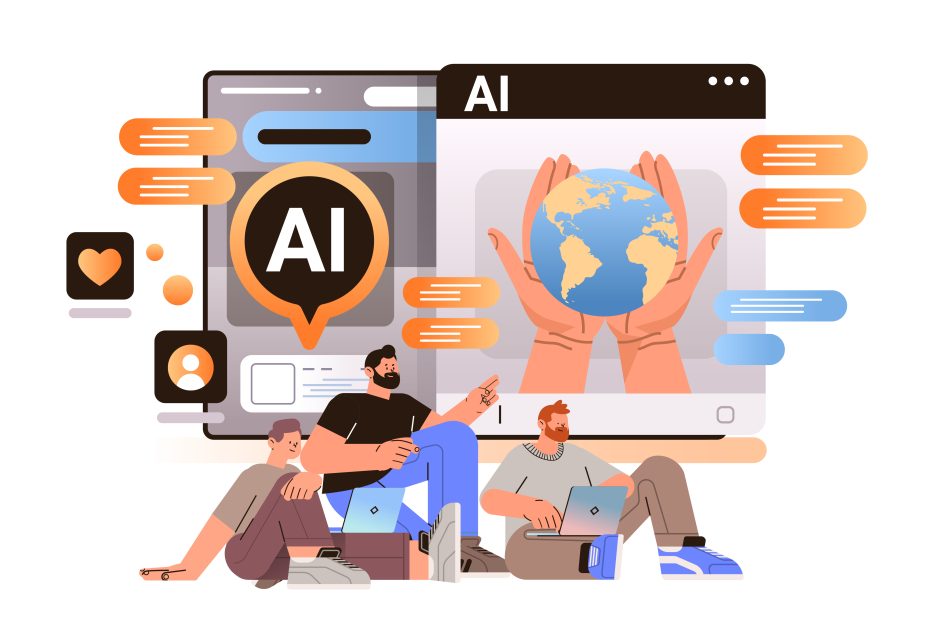
If you’ve ever wondered how technology could possibly improve the noble mission of philanthropy, then strap in. We’re diving deep into a subject that marries the analytical power of Artificial Intelligence (AI) with the human passion for altruism.
Across sectors, from healthcare to retail, AI has become an intrinsic part of the landscape. It has revolutionized the way we diagnose diseases, buy products, and even how we consume news. Now, imagine taking that revolutionary capability and applying it to philanthropy—a sector rooted in human empathy and benevolence.
That’s right, the traditionally touch-and-go, instinct-driven world of philanthropy is getting a tech makeover, and the implications are monumental. In this article, we aim to explore the growing significance of AI in philanthropy. We’ll delve into how AI is gradually redefining the contours of charitable giving and discuss the ethical implications of this transformation. Buckle up, for you’re about to get a crash course in what modern philanthropy coupled with high-level technology looks like.
The Evolution of Philanthropy: From Collection Plates to Algorithms
Philanthropy isn’t a modern invention. From the earliest days when village communities shared resources, to the mega-charitable organizations of today, the core essence of philanthropy has remained the same—helping others. However, the methods and scale of these charitable activities have significantly evolved.
Over time, technological advancements have played a pivotal role in expanding the reach and effectiveness of philanthropy. In the early days, think tanks and human judgment were the primary drivers of charitable activities. Now, technology offers an array of tools to make philanthropy more impactful. Big data analytics, digital platforms, and now, AI, are adding a layer of precision and reach that traditional philanthropy couldn’t dream of achieving. Whether it’s mapping disaster-stricken areas for quick relief or creating smart donation algorithms, technology is reinventing the wheel in the world of philanthropy.
Implementing AI in Philanthropic Activities
Identifying AI Tools That Fit Your Philanthropic Mission
The first step in implementing AI into your philanthropic strategies is identifying the AI tools that align with your goals. Machine learning algorithms can optimize donation allocations, while natural language processing (NLP) can offer enhanced donor engagement experiences. The AI toolbox for philanthropy is diverse and rich, and you’ll need to identify which tools best serve your specific needs.
A Step-by-Step Guide to AI Integration
Needs Assessment: Evaluate your organization’s needs and how AI can enhance efficiency and outreach.
Consult with AI Experts: Hire or consult AI experts to help you choose the most appropriate tools and platforms.
Data Gathering: Amass a robust data set that your AI tools can use for analysis and prediction.
Pilot Testing: Before fully integrating an AI system, run a small-scale pilot to assess its effectiveness and make necessary adjustments.
Full-Scale Integration: Roll out the AI system across your organization.
Continuous Monitoring and Updating: AI is a dynamic field. Keep updating your systems for the best results.
Best Practices for Effective AI Implementation
It’s crucial to continuously monitor the AI tools you have implemented. Data-driven philanthropy is most effective when it can adapt to new data and trends. It’s also vital to be transparent with your donors and stakeholders about how AI is being used, particularly when it comes to ethical considerations like data privacy.
Now that you’ve had a glimpse of what AI can do to amplify philanthropic efforts, the ball is in your court. From transforming donor engagement to optimizing resource allocation, AI is set to become a game-changer in modern philanthropy. So, are you ready to ride the wave of this technological revolution?
Top 5 AI Platforms Revolutionizing Philanthropy
In an era where every second and dollar counts, Artificial Intelligence (AI) platforms are emerging as the unsung heroes in the philanthropic arena. These platforms bring innovation, efficiency, and data-driven decision-making to the table, revolutionizing traditional approaches to giving. Let’s explore the top five AI platforms that are shaking up the world of philanthropy as we know it.
1. Benevity Causes
Features: Real-time data analytics, donation matching, volunteer management
Philanthropic Impact: Benevity Causes harnesses the power of data analytics to identify the most urgent needs and allocate donations effectively. The platform is highly customizable, allowing organizations to match their philanthropic activities with their mission and values.
2. Gravyty
Features: Donor engagement automation, predictive analytics, natural language processing
Philanthropic Impact: Imagine a platform that knows when a donor is most likely to give and what causes they are passionate about. That’s Gravyty in a nutshell. Through its predictive analytics, it automates donor outreach at the optimal times, increasing the probability of receiving donations.
3. Fluxx Grantseeker
Features: Grant tracking, impact measurement, budget analytics
Philanthropic Impact: The struggle to manage and measure the impact of grants is real. Fluxx Grantseeker eliminates this pain point by offering a comprehensive solution for tracking grants and measuring their impacts, enabling organizations to focus more on the mission and less on administration.
4. Salesforce Philanthropy Cloud
Features: Community engagement, employee giving programs, AI-powered recommendations
Philanthropic Impact: Salesforce Philanthropy Cloud goes beyond just collecting funds—it engages communities. By employing AI to analyze community needs and corporate social responsibility (CSR) goals, the platform streamlines the process of finding and supporting causes that resonate with both individuals and companies.
5. Optimizely for Nonprofits
Features: A/B testing, web optimization, donor experience customization
Philanthropic Impact: Ever wondered how minor changes to your donation page could significantly impact donor behavior? Optimizely allows nonprofits to experiment with web design elements, using AI to predict and identify what will drive higher engagement and contributions.
The Ethical and Societal Implications of AI in Philanthropy
The Changing Dynamics of Giving and Receiving
The influx of AI into the philanthropic sector isn’t just a technological evolution—it’s a societal one. As we increasingly rely on algorithms to decide where funds would be most effective or who is most in need, we are subtly altering the dynamics of giving and receiving. AI has the power to democratize philanthropy, breaking down traditional barriers and making it more accessible and impactful. However, this newfound efficiency and accessibility bring along their own set of challenges.
Ethical Implications: The Double-Edged Sword
When machines take over decision-making, several ethical questions arise. One major concern is the depersonalization of philanthropy. Are we prepared for a world where a machine tells us where our money can make the most impact? While it might be efficient, it certainly doesn’t have the emotional gratification that often fuels charitable actions.
Moreover, reliance on AI for philanthropic decisions risks exacerbating existing biases. If the data fed into AI systems reflects societal inequalities, the technology may inadvertently perpetuate these biases. For instance, AI could allocate more resources to causes that are already well-funded or visible, ignoring smaller but equally deserving initiatives.
Navigating the Ethical Minefield
The ethical considerations of AI in philanthropy cannot be an afterthought; they must be an integral part of how we integrate these technologies into the sector. Transparency in how decisions are made, the algorithms used, and the data sources considered are critical for maintaining trust and ethical integrity.
The marriage between AI and philanthropy is here to stay. While the potential for greater impact is colossal, the ethical ramifications are equally significant. As we navigate this complex landscape, striking a balance between efficiency and ethics will be our greatest challenge and, possibly, our most significant achievement.
Some FAQs Answered About AI in Philanthropy
Is AI reliable enough to make philanthropic decisions?
AI’s reliability in philanthropy largely depends on the quality of data and the sophistication of algorithms. Generally speaking, modern AI platforms employ complex algorithms and rigorous data analytics to ensure accurate and impactful decision-making. However, it’s essential to combine AI’s analytical power with human expertise for the most reliable philanthropic outcomes.
How do AI platforms handle data privacy?
Data privacy is a significant concern when implementing any technology, including AI. Most reputable AI platforms in philanthropy come equipped with robust security protocols, including data encryption and secure access controls, to ensure donor and organization data remains confidential. It’s essential for philanthropic organizations to perform due diligence when choosing an AI partner to guarantee compliance with data privacy regulations.
Are there any limitations to using AI in philanthropy?
While AI offers unprecedented opportunities for enhancing philanthropic efforts, limitations exist. The quality of decision-making is highly contingent upon the quality of data used. Additionally, there’s the risk of algorithmic bias and depersonalization of the giving process. Organizations must recognize these limitations and proceed cautiously while continually monitoring and tweaking their AI strategies.
Real-World Examples of AI in Philanthropy
Benevity Causes and Disaster Relief
When a natural disaster struck, Benevity Causes swiftly utilized its real-time data analytics to direct funds towards the most affected areas, demonstrating the power of AI in urgent, real-world situations. Their rapid response not only maximized the impact but also underscored the practical applications of AI in philanthropy.
Salesforce Philanthropy Cloud and Community Engagement
Salesforce Philanthropy Cloud partnered with a leading nonprofit to leverage its community engagement features, significantly increasing volunteer participation and fund-raising within months. The case underscores how AI can revolutionize traditional philanthropic practices, making them more efficient and wide-reaching.
Gravyty and Donor Retention
Gravyty used its predictive analytics to target potential repeat donors for a large charitable organization. By automating donor engagement at optimal times, they increased donor retention rates by 20% within the first year, a clear win for AI’s capabilities in enhancing philanthropic strategies.
In conclusion, AI holds transformative potential for modern philanthropy, from streamlining operations to making giving more impactful and equitable. However, this brave new world comes with its set of ethical and operational challenges that organizations must navigate thoughtfully. As the landscape of giving continues to evolve, integrating AI into philanthropic strategies will be less of an option and more of a necessity for those looking to make a lasting impact. Therefore, the call-to-action is clear: Philanthropic organizations must embrace AI, but do so with the required caution and responsibility to ensure the technology serves as a force for good.